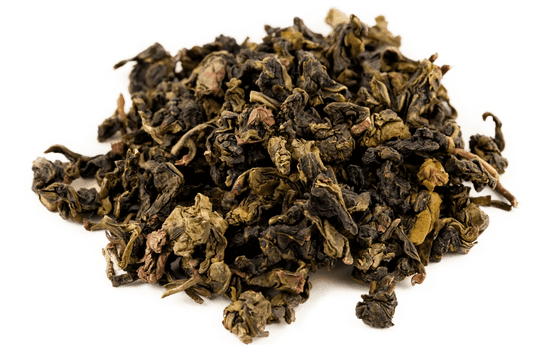
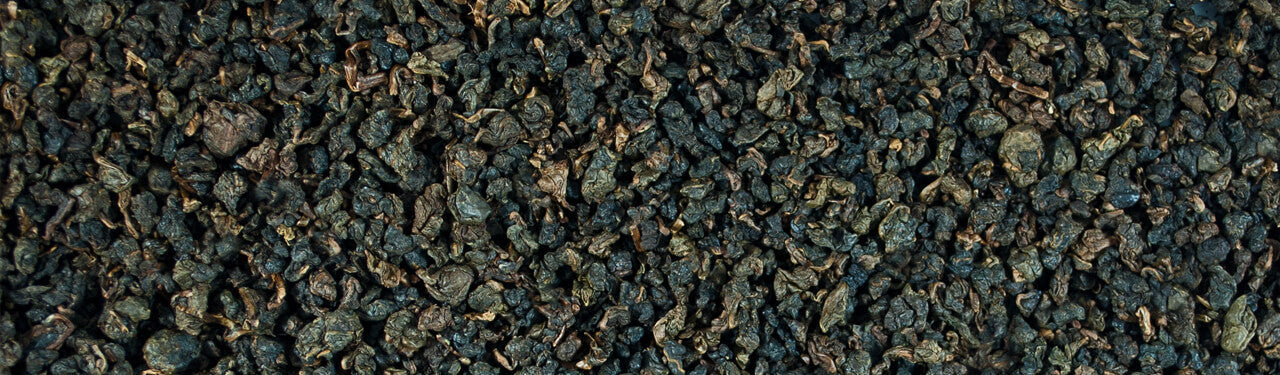
Loading... Please wait...Taiwan is famous for their oolongs, and after sampling our organic Jade Oolong, you'll understand why! This lightly oxidized organic oolong tea comes from Taiwan's mountainous region of Nantou. The leaves of this organic Taiwanese tea are tightly rolled with a medium-green color. They yield a golden infusion with a flowery aroma and a subtle, buttery flavor, with a smooth body and lingering oolong finish. Like other fine organic loose leaf oolong tea, our Jade Oolong may be infused a number of times, with each infusion revealing a new nuance of this tea's complex flavor.
|
Ingredients: organic Taiwanese oolong tea |
|
Serving Size: one level teaspoon per 8 oz cup of water |
|
Aubrey Says: After you infuse this tea, be sure to check out the large, intact leaves - a perfect specimen of Camellia sinensis! |
|
Jeremy Says: The lighter oxidation of this oolong makes it a favorite among green tea lovers. |
Posted by Unknown on 19th Mar 2013
A must try... soon to become part of my "permanent stash" of teas
Posted by Unknown on 23rd Nov 2012
Crisp, floral, soothing. When you brew this tea, the aroma is floral but not overpowering floral. The taste is clean, crisp, floral and slightly buttery. This tea is great iced, I ice it 3 parts Jade to 1 part Oriental Beauty for an amazingly refreshing iced tea.
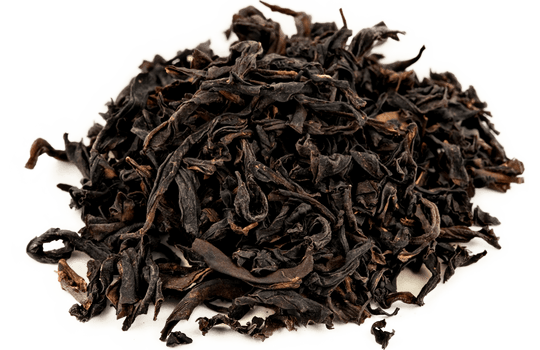
As a note of clarification, the picture displayed doesn't match. All the leaves are tightly rolled into balls, not slightly balled and elongated as the picture on the website.
Posted by Sunny on 19th Sep 2008
I love this tea. Most important of all I buy teas from Arborteas because they are all Organic and certified by USDA. Some drink teas for taste and some for health and yet some for both. I am more health oriented person so deeply appreciate Jeremy and Aubrey for creating such a wonderful online store that gives me confidence in buying a safe and delicious tea.
Posted by A fan on 14th Mar 2008
Beautiful color wonderful flavor this tea is fantastic!

We at Arbor Teas firmly believe that tea should be brewed to suit your personal taste. With that being said, here are some recommendations to get you started, but please remember you can make adjustments based on your own personal taste.
There are three main considerations when brewing tea: quantity of tea, water temperature and steeping time.
|
Quantity of tea: one level teaspoon per 8 oz cup of water |
|
Water temperature: use water that has been heated until the first bubbles begin to rise from the bottom of the pot (195° F) |
|
Steeping time: 4-7 minutes |
Tip #1: Use fresh water whenever possible - water that has been sitting in your kettle overnight may impart a flat or stale taste to your tea. Be careful not to boil your water for too long. Over boiled water can sometimes impart an unwanted taste.
Tip #2: Keep in mind that brewing your tea for too long can extract undesirable bitterness from the leaves, so steeping time matters! For a stronger brew, don’t steep longer, just use more tea.
Learn more from our How To Guides on how to brew loose leaf tea, how to make iced tea, and how to make tea lattes. And don’t forget to check out our Eco-Brewing Tips, too!

There are five significant components found in all tea from the plant camellia sinensis: essential oils, which are the source of tea’s delicious flavor and aroma; polyphenols, which are antioxidants that provide the tea’s brisk flavor and many of its health benefits; phytonutrients, which are small amounts of vitamins, minerals, and amino acids including L-theanine (a very rare molecule that has been found in only three sources including camellia sinensis!) ; enzymes; and methylxanthines, which are a family of alkaloids that include caffeine. Each of these components work differently in the human body and a full description is best left to a medical journal. However, recent research exploring the potential health attributes of tea is leading many scientists to agree that tea, may contribute positively to a healthy lifestyle.
For a more in-depth discussion of Tea and Health Benefits check here.
For a more in-depth discussion of Tea and Caffeine check here.