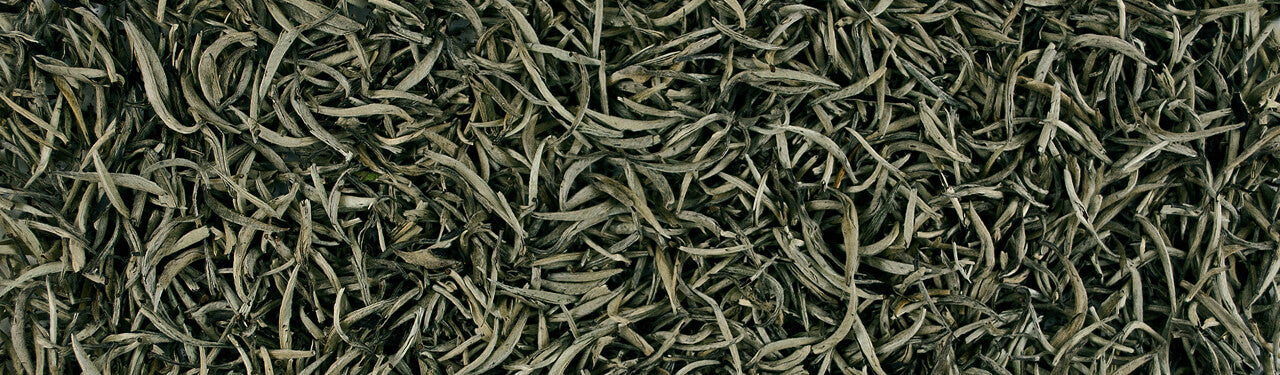
Our organic, Fair Trade Certified Pomegranate White Tea is a match made in heaven! Pomegranates and organic white tea are both famous for their healthful properties. This outstanding blend fuses these two delicacies into an infusion that equally highlights the subtle nectar of the organic loose leaf tea as well as the gently sweet, fruity quality of fresh pomegranates.
|
Ingredients: organic white tea, organic rosehips, organic safflowers, and natural pomegranate flavor |
|
Serving Size: one generous tablespoon per 8 oz cup of water |
|
Aubrey Says: I'm quite smitten with this beautifully subtle, dry and fruity blend! |
|
Jeremy Says: Unlike many flavored white teas, the pomegranate flavor is in perfect balance with the white tea essence. |
|
Sarah Says: I love to hot and cold brew this tea. It smells so good, looks so pretty, has a little fruity taste, and is a pleasure for all the senses! |
Posted by Georgina R on 12th Jan 2012
I was able to get 3 fully steeped cups out of one serving. Very mild and smooth with a slightly fruity flavor. Aroma is very strong compared to the actual taste. Thoroughly enjoyed and will order again.
Posted by Judy on 18th Nov 2009
This tea is wonderful. I just received it in my order and enjoyed several infusions on this rainy afternoon.
Posted by Tomi McDonald on 20th Dec 2007
I really like this tea. It has flavor but is not overpowering. It was a great tea to drink when I was feeling under the weather.

We at Arbor Teas firmly believe that tea should be brewed to suit your personal taste. With that being said, here are some recommendations to get you started, but please remember you can make adjustments based on your own personal taste.
There are three main considerations when brewing tea: quantity of tea, water temperature and steeping time.
|
Quantity of tea: one generous tablespoon per 8 oz cup of water |
|
Water temperature: use water that has been heated until bubbles begin to form on the bottom of the pot (180° F) |
|
Steeping time: 2-3 minutes |
Tip #1: Use fresh water whenever possible - water that has been sitting in your kettle overnight may impart a flat or stale taste to your tea. Be careful not to boil your water for too long. Over boiled water can sometimes impart an unwanted taste.
Tip #2: Keep in mind that brewing your tea for too long can extract undesirable bitterness from the leaves, so steeping time matters! For a stronger brew, don’t steep longer, just use more tea.
Learn more from our step-by-step guides on how to brew loose leaf tea, how to make iced tea, and how to make tea lattes. And don’t forget to check out our Eco-Brewing Tips, too!

There are five significant components found in all tea from the plant camellia sinensis: essential oils, which are the source of tea’s delicious flavor and aroma; polyphenols, which are antioxidants that provide the tea’s brisk flavor and many of its health benefits; phytonutrients, which are small amounts of vitamins, minerals, and amino acids including L-theanine (a very rare molecule that has been found in only three sources including camellia sinensis!) ; enzymes; and methylxanthines, which are a family of alkaloids that include caffeine. Each of these components work differently in the human body and a full description is best left to a medical journal. However, recent research exploring the potential health attributes of tea is leading many scientists to agree that tea, may contribute positively to a healthy lifestyle.
For a more in-depth discussion of Tea and Health Benefits check here.
For a more in-depth discussion of Tea and Caffeine check here.
Loading... Please wait...