Storage & Preparation
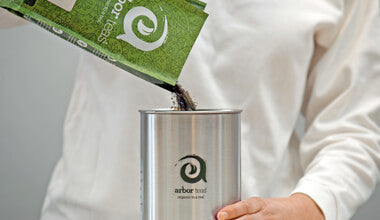
Tea easily absorbs moisture and scents, so it's imperative that tea is stored in an airtight container, away from strong-smelling items. For instance, avoid storing tea in the spice cabinet. Because light can also impair the quality of tea, storage containers should be opaque (unless stored away from light). When stored properly, tea can usually be kept for up to a year (beyond one year tea will begin to lose its flavor).
Depending on who you talk to, brewing tea can be a very simple or very complicated matter. Believe it or not, the government of Great Britain actually maintains official specifications on the “proper” way to brew tea! We firmly believe that tea should be brewed to suit your own personal taste. That said, here are some helpful hints to get you started.
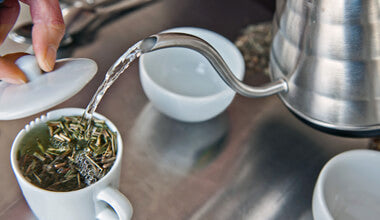
There are three main considerations when brewing tea: tea quantity, water temperature and steeping time. Start by measuring 1 teaspoon of loose leaf tea per cup of water (fluffier blends such as white teas and chamomile may require as much as a tablespoon or more, while denser teas such as gunpowder may require less than 1 teaspoon). Next, heat your water to the temperature suggested below. Use fresh water whenever possible - water that has been sitting in your kettle overnight may impart a flat or stale taste to your tea. Finally, steep your tea for the amount of time shown below. Keep in mind that brewing your tea too long can extract undesirable bitterness from the leaves, so steeping time matters! For a stronger brew, don’t steep longer, just use more tea.
Black -- 212° F 3-5 minutes
Oolong -- 195° F, 4-7 minutes
Green & White -- 180° F, 2-3 minutes
Herbal/Fruit/Tisanes -- 212° F, 5-7 minutes
Don’t have a thermometer handy to measure your water temperature? Don’t worry! Here’s an easy way to estimate 180° F, 195° F and 212° F.
180° F = bubbles begin to form on the bottom of the pot
195° F = the first bubbles begin to rise
212° F = full rolling boil
Need a way to decaffeinate your tea in a pinch, or have a favorite tea you can’t get in a decaffeinated version? The majority of tea’s caffeine is released in the first 45 to 60 seconds of steeping. Knowing this, you can collect and remove much of the caffeine contained in most tea by using the following method. Steep the normal quantity of tea in a small amount of water (just enough to cover the leaves) heated to the appropriate temperature for the tea being brewed. Steep for no more than a minute, then remove the leaves and discard the water. Once this is done, re-steep the same tea leaves in a fresh cup of water for the customary amount of time, and you’ve made yourself a significantly decaffeinated cup of tea! This method will not remove the caffeine entirely, but could take out as much as 80%.
Keep in mind that small amounts of caffeine remain in tea decaffeinated by any method - only naturally caffeine-free herbal and fruit infusions lack it completely. It is also worth noting that the method described above may somewhat diminish the flavor and aroma of your tea.
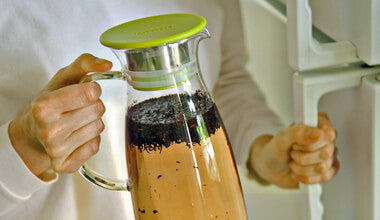
Making iced tea at home is a breeze! Steep your tea normally, but use half the amount of water. To drink immediately, pour directly over ice. To refrigerate, dilute with an equal amount of room temperature water. This allows the tea to cool gradually, which helps avoid clouding caused by chilling most teas too rapidly. One quart of iced tea generally requires about 1/2 ounce tea. To sweeten, add sugar or honey while the tea is still hot, allowing the sugar to dissolve completely.
Many people are accustomed to brewing their iced tea by leaving it out in the sun. We recommend using the method described above instead, which takes advantage of the sterilizing effects of boiling water, as opposed to the “sun tea” method, which can allow bacteria to flourish.
Note: It is OK if your iced tea clouds! There are many reasons this can occur; a clouded tea can sometimes signify a higher quality tea filled with desirable tea solids, or one that has been cooled too quickly. Regardless, a clouded iced tea is certainly not a bad iced tea! Teas from the Nilgiri region of India seem to resist clouding better than other tea varieties.
Can't get enought iced tea info? Check out our All About Iced Tea page for everything you could possibly want to know about this beloved beverage!
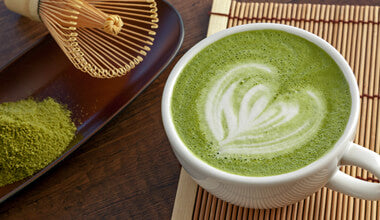
The chai latte has swept across the nation in recent years, but did you know that almost any of our quality teas can be made into a tea latte? Just like the chai latte, make a triple-strength brew by steeping the typical amount of tea in a third of the normal amount of water and mix in two parts frothed milk. Add sugar to taste. To make this process easier at home, try using our simple milk frother.