Organic Darjeeling Makaibari Estate 2nd Flush Black Tea


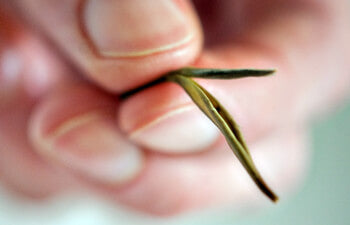
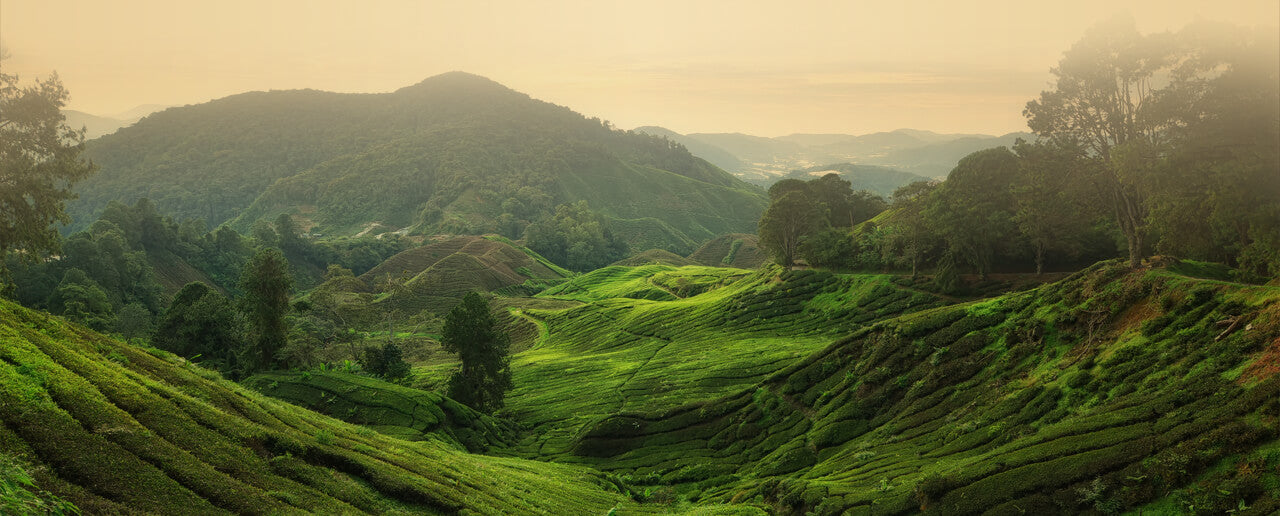
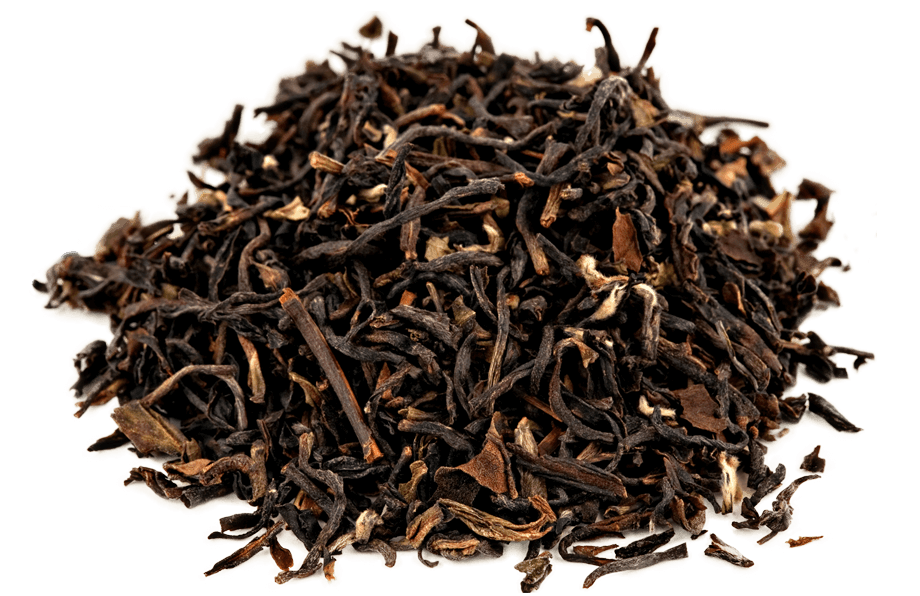
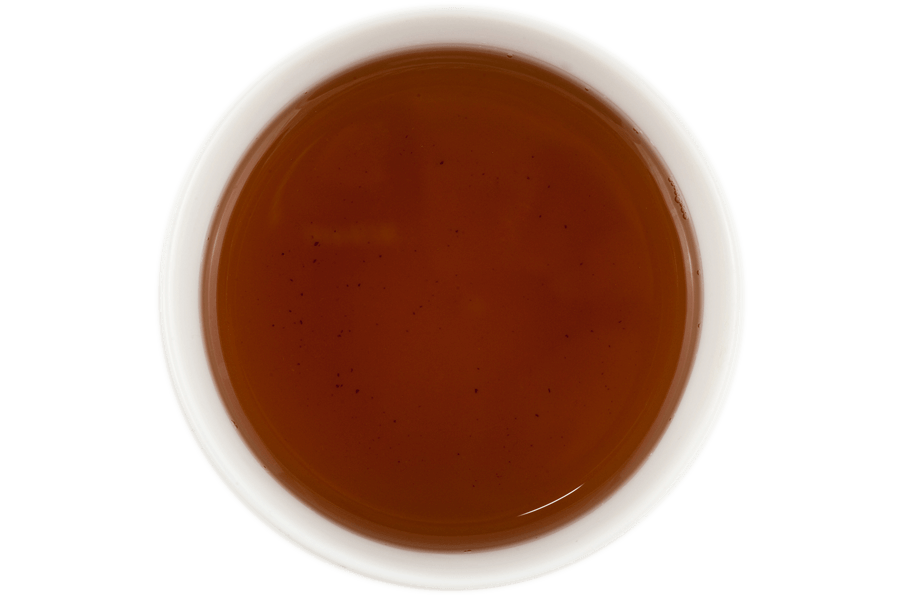
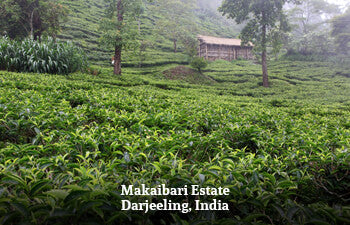
This outstanding organic tea is biodynamically farmed at the Makaibari estate in India's Darjeeling district. Established in 1859, Makaibari is the oldest estate in Darjeeling, where a strong commitment to sustainable farming prevails. This Fair Trade Certified organic black tea is made from the new growth of the tea plant a few months after the first harvest of the year, referred to as the "second flush." Second flush organic tea from India (especially the Darjeeling region) offer a darker liquor and stronger body than teas of the first flush, with far less "green" character. This tea offers an exquisite aroma and amber color, with fully-ripened Muscat grape and forest floor notes, and an ample astringency.
Ingredients: organic and Fair Trade Certified Indian black tea

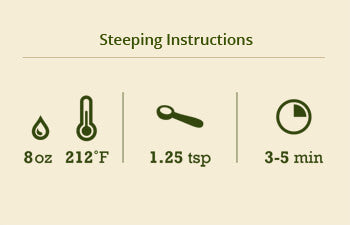
At Arbor Teas, we believe tea should be brewed to suit your personal taste. We’re happy to make recommendations to get you started, but don’t hesitate to experiment! When brewing your tea, your main considerations are tea quantity, water temperature, and steeping time. We recommend black teas to be steeped for 3 to 5 minutes in water heated to a full, rolling boil. For the best flavor, use fresh water whenever possible, and avoid overboiling. Try not to steep your tea longer than necessary, as you’ll extract undesirable bitterness from the leaves. If you want a stronger brew, don’t steep longer, just use more tea. And don’t forget to re-steep your tea leaves to get the most out of your leaf!
Looking for more info? Check out our How-To Guides and Eco-Brewing Tips!

Aubrey

Jeremy
Like all true tea, black tea offers many potential health benefits. Research has found that tea (Camellia sinensis) can have many positive effects on human health, including improved cardiovascular function, cancer risk reduction, improved immune function, improved oral health, and help with weight management. Tea is also full of polyphenols, which are a class of antioxidant that help your body maintain homeostasis and balance your stress levels. Black tea specifically has been found to regulate blood sugar in diabetics better than other types of tea, according to a study done by the University of Massachusetts Amherst.
For more information about the health benefits of black tea and other types of tea, and for direct sources of the above information, check out our Tea Health Benefits page!
Please note: the information above is for educational purposes only and has not been evaluated by the Food and Drug Administration. This information is not intended to diagnose, treat, cure, or prevent any disease.