Organic Ancient Green Tuo Cha Pu Erh Tea

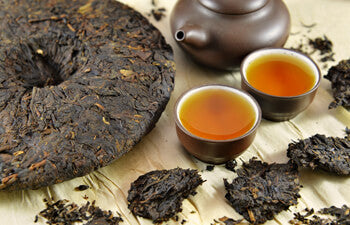
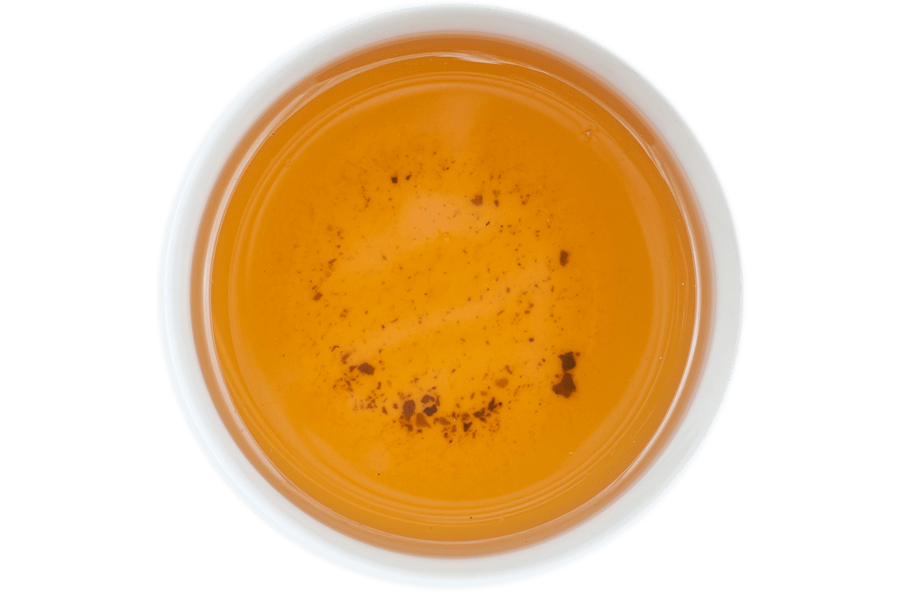
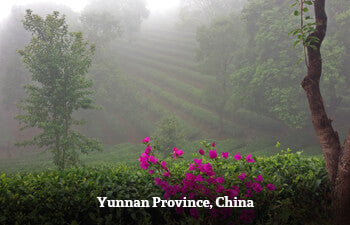
This young green pu-erh replaces our previous Ancient Green Pu-erh which is permanently sold out. It consists of tightly compressed dark green organic tea leaves that have been processed using the traditional qing (or sheng) technique, also referred to as "raw." The leaves for this tea are harvested by the farmers of the Mannong Manmai Ancient Tea Association in China's southwest Yunnan province, where ancient tea trees reside that range from 800 to 1200-years-old with the eldest exceeding 1300-years-old! The infusion produces a golden honey liquor, yielding a flavor and aroma that hangs in the mid-mouth reminding of dry malted grains, greens, and sweet plum. A hint of the earthiness characteristic of pu-erh tea can also be detected. The effervescent astringency of this young dark tea will mellow with age, as its earthiness increases.
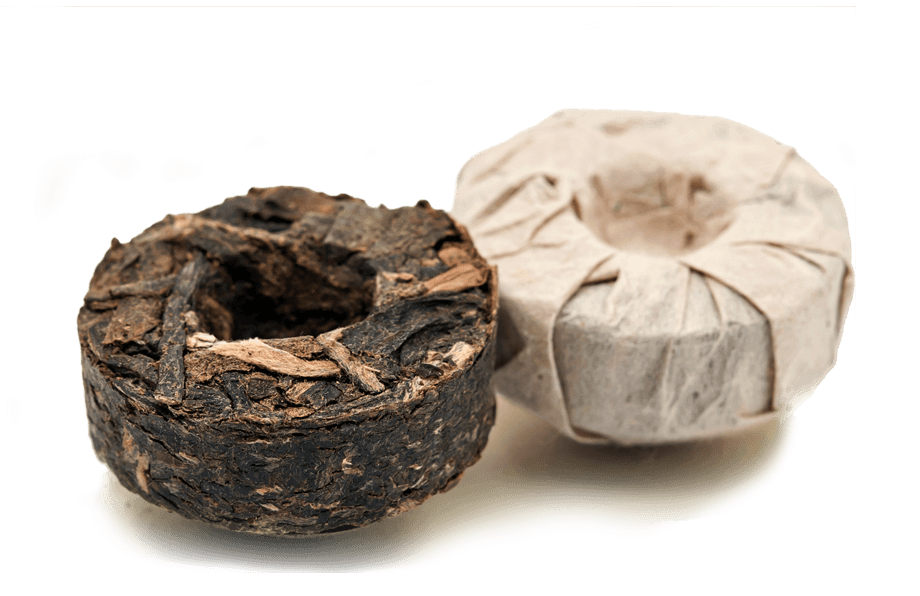
This tea will only improve with time and is currently available at its most affordable price! With each year, its price will also increase as its quality increases. This is the only qing style organic pu-erh that we currently offer. Each tuo cha is individually wrapped and perfect for a medium sized teapot or can be broken apart to accommodate a single serving. Remember to remove the wrapping before the tea is steeped.
Ingredients: organic Chinese dark tea
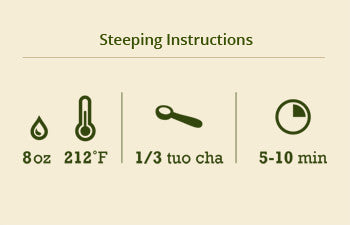
At Arbor Teas, we believe tea should be brewed to suit your personal taste. We’re happy to make recommendations to get you started, but don’t hesitate to experiment! When brewing your tea, your main considerations are tea quantity, water temperature, and steeping time. We recommend pu-erh teas to be steeped for 5 to 10 minutes in water heated to a full, rolling boil. For the best flavor, use fresh water whenever possible, and avoid overboiling. Try not to steep your tea longer than necessary, as you’ll extract undesirable bitterness from the leaves. If you want a stronger brew, don’t steep longer, just use more tea. And don’t forget to re-steep your tea leaves to get the most out of your leaf!
Looking for more info? Check out our How-To Guides and Eco-Brewing Tips!

Trish

Jeremy

Aubrey
Like all true tea, pu erh tea offers many potential health benefits. Research has found that tea (Camellia sinensis) can have many positive effects on human health, including improved cardiovascular function, cancer risk reduction, improved immune function, improved oral health, and help with weight management. Tea is also full of polyphenols, which are a class of antioxidant that help your body maintain homeostasis and balance your stress levels. Pu-Erh specifically has been used in Chinese medicine to support gut health, weight loss, and lower cholesterol.
For more information about the health benefits of pu erh and other types of tea, and for direct sources of the above information, check out our Tea Health Benefits page!
Please note: the information above is for educational purposes only and has not been evaluated by the Food and Drug Administration. This information is not intended to diagnose, treat, cure, or prevent any disease.
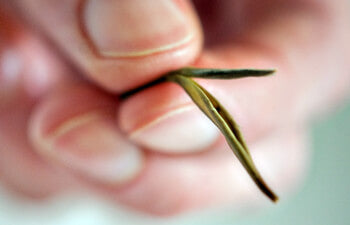
Pu-erh, a city located in the Yunnan Province of China, is the namesake of pu-erh tea, the most famous subset of Chinese heicha (dark tea). Pu-erh processing is a closely guarded secret. Each tea garden has a unique recipe and prides itself on its own distinctive creation. Properly cared for, pu-erh tea is actually alive as enzymes in the tea are allowed to age, greatly enhancing the tea’s flavor over time. This is accomplished by introducing a small amount of moisture at the end of the manufacturing process and allowing the retention of that moisture in the final tea leaf; then aging the leaf in a controlled environment. Pu-erh is the only “aged” tea, and can be fully-oxidized like black tea or unoxidized like green tea. Qing Cha (sometimes referred to as “raw” or “green” pu-erh) is the oldest and most famous version of pu-erh processing. Shu Cha (“ripe” or “cooked” pu-erh) is an accelerated version of Qing Cha that was developed in 1972 to help meet consumer demand. Both methods can produce an excellent tea that improves in value and taste with time, and can be finished as loose leaf tea or pressed into shapes. Pu-erhs that have been aged for 10, 15 or even 25 years and beyond are typically unavailable outside China and are served only to high ranking officials and dignitaries.
For even more information about this and other traditions, visit our Tea Traditions Page!