Organic Earl Grey Black Tea

Purchase Options

$20.50

  • Description
  • Reviews
  • Steeping
  • Health
  • Recipes
  • Traditions

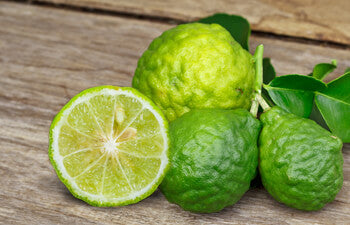
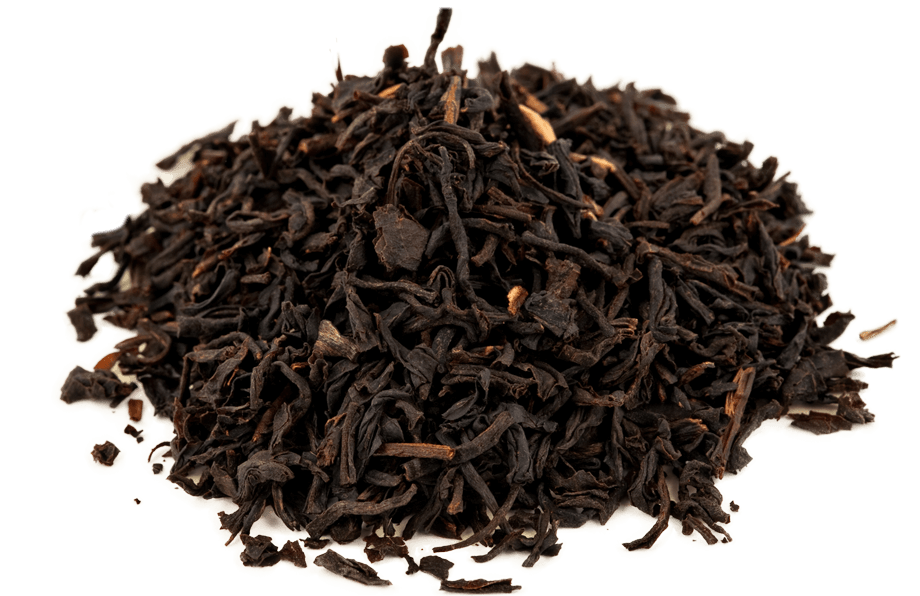
This organic, Fair Trade Certified version of the classic Earl Grey does not disappoint. It has a correct balance of flavoring which results in a piquant and refreshing true Earl Grey organic black tea taste. Made fashionable by the Prime Minister of England Earl Grey (1830-1834), Earl Grey is traditionally a blend of organic Chinese tea and organic Indian tea flavored with the oil from the Asian citrus fruit, bergamot.


Organic Earl Grey Black Tea

Ingredients: organic black tea and natural bergamot flavor


pro-ico-scoop.png

Serving Size: one level teaspoon per 8 oz cup of water


Staff Perspectives

pro-ico-aubrey.jpg

Aubrey Says: This organic tea always impresses me by its equally bold bergamot and black tea flavors!


pro-ico-jeremy.jpg

Jeremy Says: A classic tea for good reason!


pro-ico-sarah.jpg

Sarah Says: I was never a fan of Earl Grey... I kept trying it and trying it in hopes I would like it and see why it was so popular. That is, until I met this one! This is truly the best Earl Grey I have ever tasted. Now I like to treat myself to a cookie and mug of Earl Grey.


Write your own product review

  1. Arbor Teas Earl Grey

    Posted by Nancy Biehn on 13th Jan 2011

    This is by far my most favorite tea with chocolate! What a perfect balance of earthy black tea and citrus. Really all I want to do is breathe in it's aroma all day long - it smells fabulous.


  2. Perfect balance

    Posted by Bill Edwards on 7th Nov 2008

    For me the secret to a great Earl Grey is the balance. This is a great blend of black tea with just the right amount of bergamot. I cannot imaging a better Earl Grey.


  3. Earl Grey

    Posted by Christy on 3rd Feb 2008

    I like an Earl Grey to have a lot of flavor. From the moment you open the bag you know it's going to be good. This tea is so wonderful! I look forward to it every morning. The fact that it is organic and fair trade certified is so great. I have found "my" Earl Grey.


pro-img-steep.jpg

We at Arbor Teas firmly believe that tea should be brewed to suit your personal taste. With that being said, here are some recommendations to get you started, but please remember you can make adjustments based on your own personal taste.

There are three main considerations when brewing tea: quantity of tea, water temperature and steeping time.

pro-ico-scoop.png

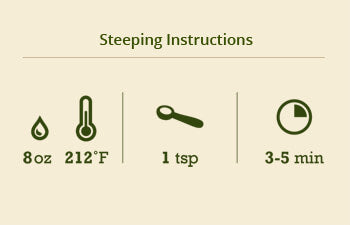
Quantity of tea: one level teaspoon per 8 oz cup of water


pro-ico-tempature.png

Water temperature: use water that has been heated to a full rolling boil (212° F)


pro-ico-timer.png

Steeping time: 3-5 minutes


Tip #1: Use fresh water whenever possible - water that has been sitting in your kettle overnight may impart a flat or stale taste to your tea. Be careful not to boil your water for too long. Over boiled water can sometimes impart an unwanted taste.

Tip #2: Keep in mind that brewing your tea for too long can extract undesirable bitterness from the leaves, so steeping time matters! For a stronger brew, don’t steep longer, just use more tea.

Learn more from our How To Guides on how to brew loose leaf tea, how to make iced tea, and how to make tea lattes. And don’t forget to check out our Eco-Brewing Tips, too!


pro-img-health.jpg

There are five significant components found in all tea from the plant camellia sinensis: essential oils, which are the source of tea’s delicious flavor and aroma; polyphenols, which are antioxidants that provide the tea’s brisk flavor and many of its health benefits; phytonutrients, which are small amounts of vitamins, minerals, and amino acids including L-theanine (a very rare molecule that has been found in only three sources including camellia sinensis!) ; enzymes; and methylxanthines, which are a family of alkaloids that include caffeine. Each of these components work differently in the human body and a full description is best left to a medical journal. However, recent research exploring the potential health attributes of tea is leading many scientists to agree that tea, may contribute positively to a healthy lifestyle.

For a more in-depth discussion of Tea and Health Benefits check here.

For a more in-depth discussion of Tea and Caffeine check here.


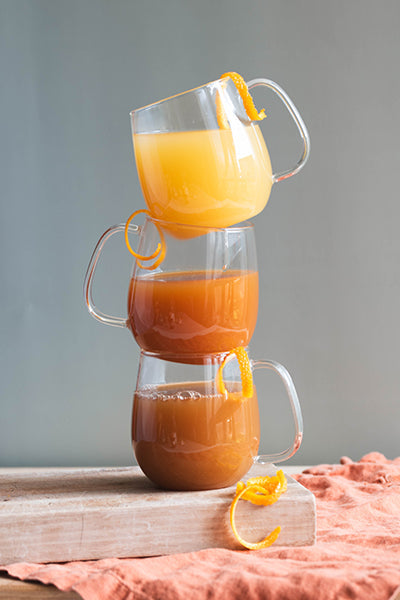
Citrus and Tea Cream Pie: Perfect Picinic Pie

Citrus and Tea Cream Pie

The original inspiration for this recipe came from Martha Stewart as a chamomile version of lemon meringue pie in a homey cornmeal crust. You could alter the recipe by subbing in orange and organic earl grey black tea as a perfect picinic pie. Check here to view the full recipe for the Citrus and Tea Cream Pie!


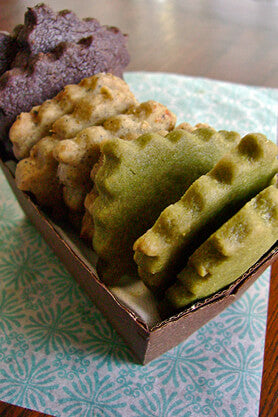
Tea-Laced Shortbread Trio: Earl Grey Shortbread

Tea-Laced Shortbread Trio: Chocolate Chai Shortbread

Requiring only a handful of ingredients, few things are simpler, yet so satisfying to make than classic shortbread.  These delicate cookies complement a glass of milk or a cup of tea equally well, and their buttery, not overtly sweet nature takes on additional flavors with ease. Check here to view the full recipe for Tea-Laced Shortbread Trio!


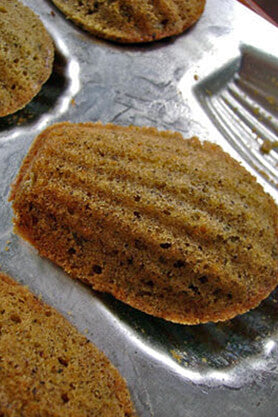
Earl Grey Tea Madeleines

Earl Grey Tea Madeleines

Traditionally a dry cookie, perfectly conducive for dunking into a complementary cup of tea, this madeleine recipe combines the elements of tea and cookies in a singular elegance. Check here to view the full recipe for Earl Grey Tea Madeleines!

Earl Grey Tea: Fact and Fiction

Traditional Earl Grey is a blend of black tea flavored with the essence of Bergamot rind, though the name may also be used to refer to any tea—black or otherwise—that uses bergamot as a flavoring (such as our organic green Earl Grey, and our organic Earl Grey rooibos blends). Bergamots are small tart oranges native to southern Vietnam that research suggests are a cross between the sweet lemon, Citrus limetta, and the sour orange, C. aurantium, and the essential oils from their rinds are what give Earl Grey its characteristic flavor. Consequently, the tea often sees use in all manner of confectionary, lending a subtle, citrusy zest to chocolates (like our tea-infused truffles!), cakes, or sauces.

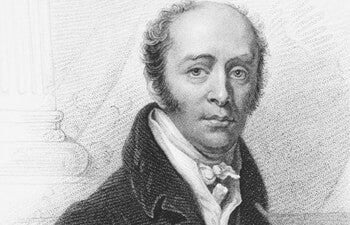
This famous tea is named for an English prime minister, Lord Charles Grey the second, from the 1830s who first popularized its consumption. There is a popular legend that the Earl received the tea as a gift from a grateful Mandarin after one of his men saved the Mandarin (or his son, depending on which version of the story you hear) from drowning. Charming though it is, the story has no basis in fact, because the Earl never traveled to China during his life. Beyond that, no records indicate that the Bergamot was even cultivated in China at that time, so this tea would have been a very unusual gift!

Nevertheless, the current Earl Grey, Lord Charles Grey the sixth, maintains that at the very least his ancestor was given the tea as a gift from a Chinese envoy, and he endorses Twinings of London’s recipe for the tea. Interestingly, the English teahouse Jacksons of Piccadilly also claims to be in possession of the original recipe for Earl Grey, having received it from the Earl himself in 1830.

For information on other traditions or to submit your own tea tradition visit our Tea Traditions section.


  Loading... Please wait...