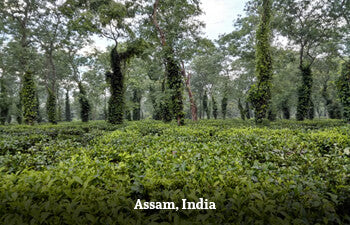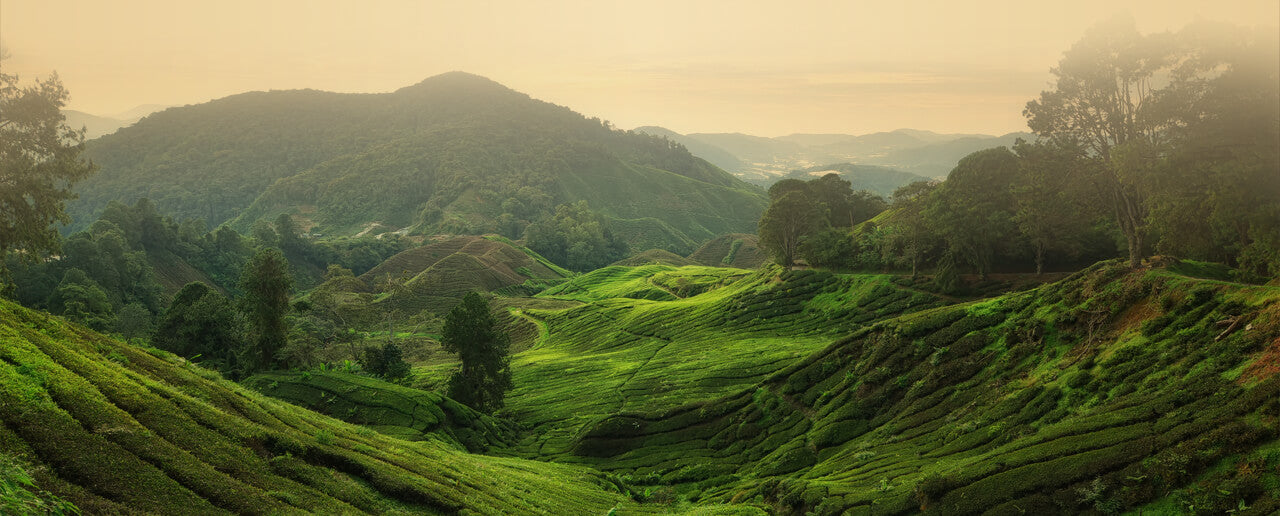
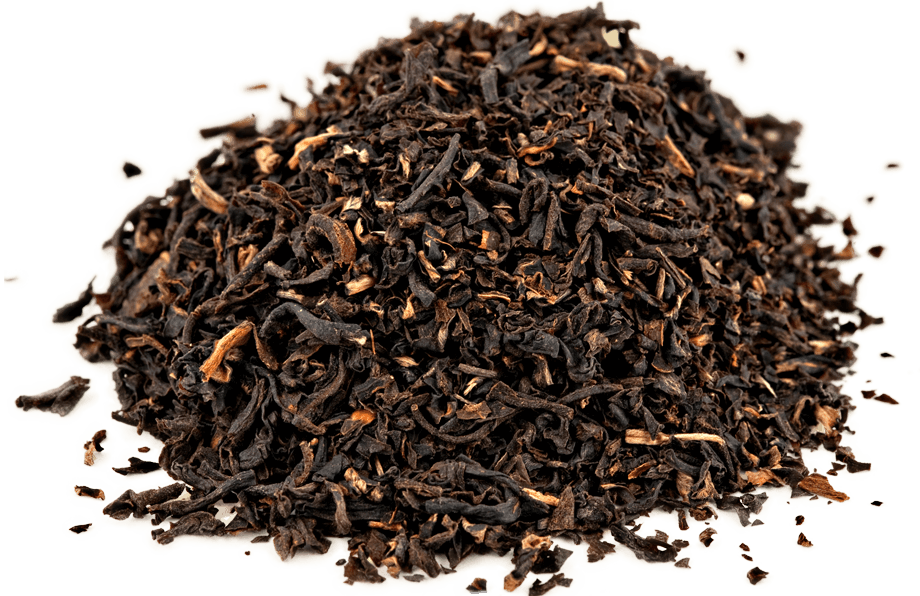
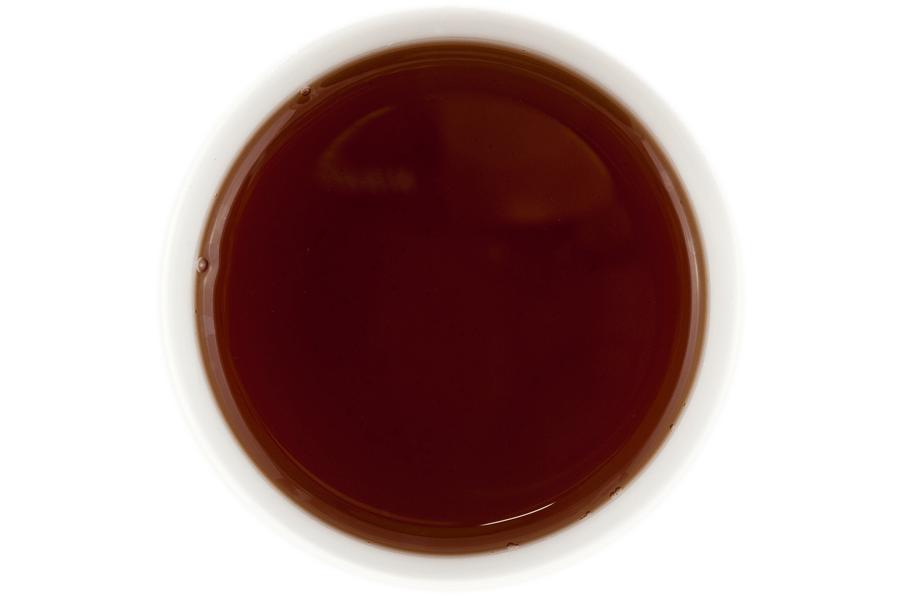
Loading... Please wait...This very full-bodied organic tea is even stronger than its English counterpart. Preferring a cup of organic black tea so strong that one can stand a spoon up in it, the Irish are among the highest tea consumers per capita in the world. The strength and quality of this organic, Fair Trade Certified Irish Breakfast is achieved by blending smaller leaf grade tea from the Assam region of India and takes milk well.
|
Ingredients: organic black tea |
|
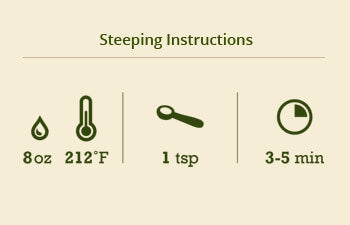
Serving Size: one level teaspoon per 8 oz cup of water |
|
Aubrey Says: I don't typically prefer milk in my tea and, fortunately, this Irish Breakfast tastes so good (despite its strength) that I can enjoy it without. |
|
Jeremy Says: Brew this one long enough and you actually could stand a spoon upright in it! |
|
Sarah Says: This is a strong cup of tea! Especially if you let it steep a little longer. It's really good with a little milk and brown sugar. |
Posted by Lauren on 7th Apr 2013
This tea is my favorite morning tea from Arbor. It's flavorful, bold, and is the perfect way to start my day. Very satisfying!
Posted by Kyle on 16th Dec 2012
This is a dark bold tea with a mild floral after taste that makes it deeply satisfying a great everyday tea for me.
Posted by Joseph Paulson on 19th Jul 2012
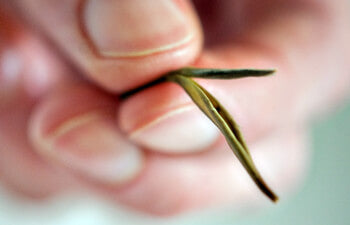
I was surprised with the size of the dry leaf. Very small, mostly broken. Also many flashes of gold among the stubby brown leaves. But the scent of the leaves was inviting. Sweet. It brews up with a musty aroma, not off-putting. The taste is not very complex or brisk, but not bitter either. Peat, leather, a little smoke? Indeed, something charmingly "Irish" about it.
Posted by Steve Kaye on 22nd Apr 2012
This tea has a fantastic, full flavor. It's my favorite black tea.
Posted by Donna, Livonia, Michigan 5* on 25th Oct 2011
My favorite used to be Lipton--that is--until they started adding non-tea additives to their regular black tea (orange pekoe). They now add orange juice, cranberry juice, and/or broccoli! But now my favorite is Irish Breakfast. It's very rich. There's NO mistake that you are drinking 100% black tea! I have tried a few of the samplers, so I think I have all of the black teas covered, but the strong Irish is now my favorite!
Posted by Gudrun Matthaus on 17th Apr 2011
This is my favorite tea. I enjoy it with or without honey or agave nectar. It is delightful with soy creamer.
Posted by Bill Edwards on 12th Nov 2007
So far I am not a major fan of the blacks but this is popular in my household and gets 4 stars because of my wife and older son (a three from me). Aubrey I think it is against some law not to have milk in your Irish tea! Now I will have to try that. This tea is quite versatile and you can make it however you want it. I have even used soy milk (I know that's another law right?) I have used flavored honey also. This is definitely a hearty tea to enjoy with a meal.

We at Arbor Teas firmly believe that tea should be brewed to suit your personal taste. With that being said, here are some recommendations to get you started, but please remember you can make adjustments based on your own personal taste.
There are three main considerations when brewing tea: quantity of tea, water temperature and steeping time.
|
Quantity of tea: one level teaspoon per 8 oz cup of water |
|
Water temperature: use water that has been heated to a full rolling boil (212° F) |
|
Steeping time: 3-5 minutes |
Tip #1: Use fresh water whenever possible - water that has been sitting in your kettle overnight may impart a flat or stale taste to your tea. Be careful not to boil your water for too long. Over boiled water can sometimes impart an unwanted taste.
Tip #2: Keep in mind that brewing your tea for too long can extract undesirable bitterness from the leaves, so steeping time matters! For a stronger brew, don’t steep longer, just use more tea.
Learn more from our How To Guides on how to brew loose leaf tea, how to make iced tea, and how to make tea lattes. And don’t forget to check out our Eco-Brewing Tips, too!

There are five significant components found in all tea from the plant camellia sinensis: essential oils, which are the source of tea’s delicious flavor and aroma; polyphenols, which are antioxidants that provide the tea’s brisk flavor and many of its health benefits; phytonutrients, which are small amounts of vitamins, minerals, and amino acids including L-theanine (a very rare molecule that has been found in only three sources including camellia sinensis!) ; enzymes; and methylxanthines, which are a family of alkaloids that include caffeine. Each of these components work differently in the human body and a full description is best left to a medical journal. However, recent research exploring the potential health attributes of tea is leading many scientists to agree that tea, may contribute positively to a healthy lifestyle.
For a more in-depth discussion of Tea and Health Benefits check here.
For a more in-depth discussion of Tea and Caffeine check here.
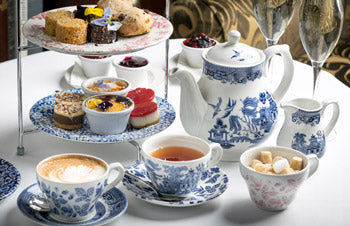
Anna, the 7th Duchess of Bedford, is credited with the origination of afternoon tea in the early 1800s. In Anna's day, lunch was served at noon, with dinner often put off until well into the evening. As the story goes, Anna decided that a light meal over tea in the late afternoon would be the perfect solution to her between-meal hunger pangs. Given Anna's social stature, the concept took off among the upper class, proving to be an excellent social venue. The term "high tea" is actually owed to England's working class, who transformed the afternoon tea into their primary evening meal, serving much heartier fare such as meats, cakes, bread and pies. "High" tea is a reference to the table the working class sat at while taking their tea - tall in comparison to the low, delicate tables at which the gentry took their lighter, more formal tea. Queen Victoria introduced the English to the Russian custom of adding lemon to their tea after visiting one of her daughters in Russia - before that, the English took only milk with their tea.
For information on other traditions or to submit your own tea tradition visit our Tea Traditions section.