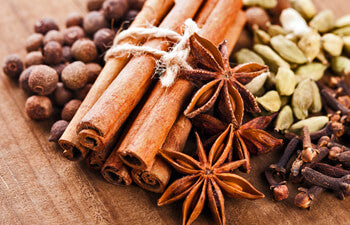
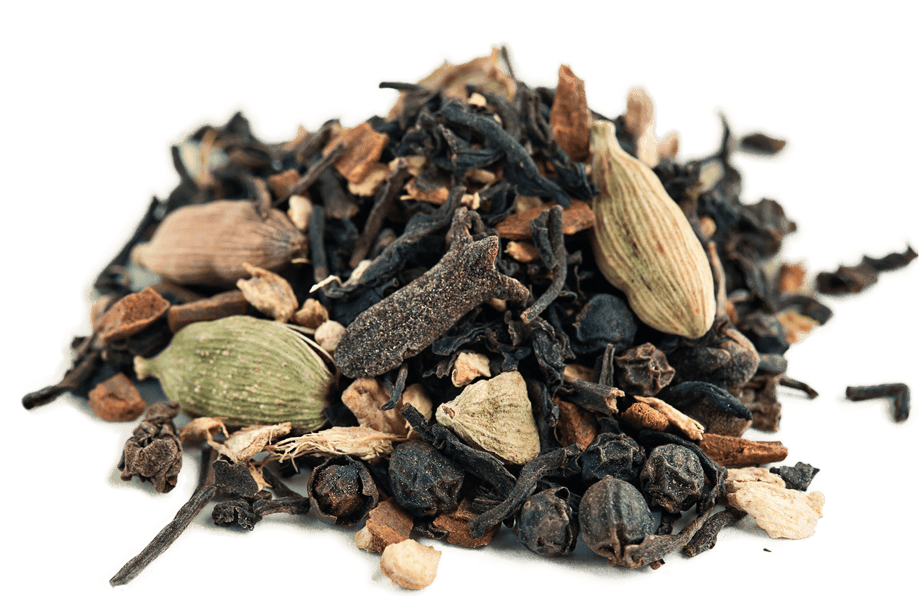
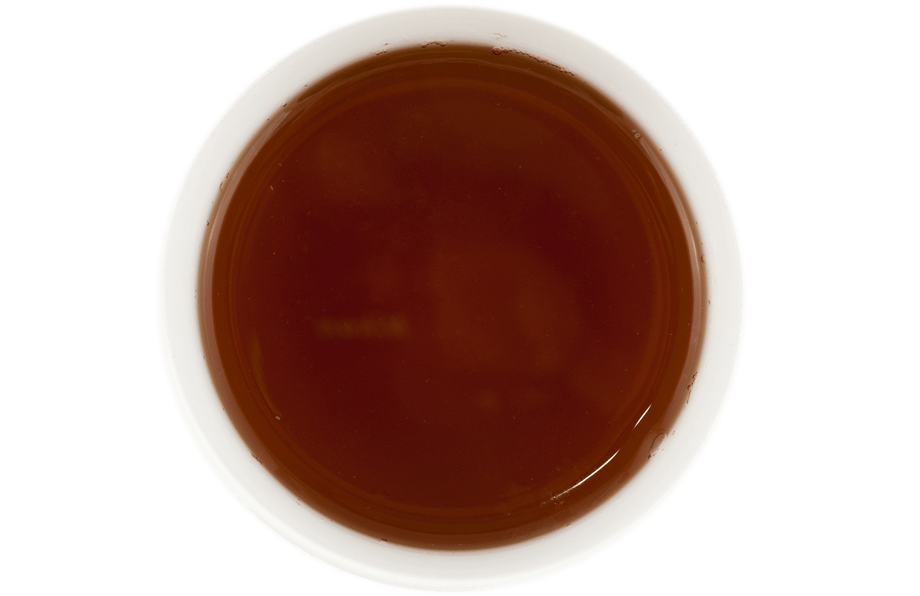
Finally, our customers that only drink decaffeinated tea can indulge in a chai latte! This Fair Trade Certified Masala Chai organic black tea blend has a medium-body with exceptionally spicy flavor and aroma. Surprisingly similar to our caffeinated version of Masala Chai (and offered at the same price!), our organic Decaf Masala Chai Black Tea uses a broken leaf grade black tea (BOP) blended with cardamom, cinnamon, ginger, cloves, and black pepper. In contrast to our caffeinated version, we amped up the pepper for a slightly hotter mouth feel. The clove and ginger really come through, with a wonderful cardamom finish. As with all of our Decaf teas, this tea is decaffeinated using a state-of-the art carbon dioxide (CO2) decaffeination process that does not involve the use of harmful chemicals. We recommend steeping a triple-strength cup of this organic Indian tea and serving it with honey and steamed milk.
|
Ingredients: organic Indian black tea, organic ginger, organic cloves, organic cardamom, organic cinnamon, and organic black pepper |
|
Serving Size: one level teaspoon per 8 oz cup of water |
|
Aubrey Says: The perfect decaf option for masala chai lovers - a strong, spicy cup of tea! |
|
Jeremy Says: I like using this tea to make a decaf chai latte right before bed. |

We at Arbor Teas firmly believe that tea should be brewed to suit your personal taste. With that being said, here are some recommendations to get you started, but please remember you can make adjustments based on your own personal taste.
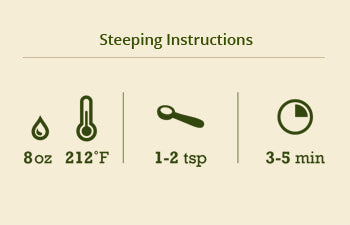
There are three main considerations when brewing tea: quantity of tea, water temperature and steeping time.
|
Quantity of tea: one level teaspoon per 8 oz cup of water |
|
Water temperature: use water that has been heated to a full rolling boil (212° F) |
|
Steeping time: 3-5 minutes |
Tip #1: Use fresh water whenever possible - water that has been sitting in your kettle overnight may impart a flat or stale taste to your tea. Be careful not to boil your water for too long. Over boiled water can sometimes impart an unwanted taste.
Tip #2: Keep in mind that brewing your tea for too long can extract undesirable bitterness from the leaves, so steeping time matters! For a stronger brew, don’t steep longer, just use more tea.
Tip #3: Masla Chai Black Tea is traditionally used to make a Chai Tea Latte.
Learn more from our How To Guides on how to brew loose leaf tea, how to make iced tea, and how to make tea lattes. And don’t forget to check out our Eco-Brewing Tips, too!

Arbor Teas uses the Carbon Dioxide (CO2) method for all of its organic decaffeinated teas. We feel that this is the safest form of decaffeination, while retaining the greatest flavor and health benefits. According to “tea technologist” Nigel Melican, tea decaffeinated using the CO2 method retains 92 percent of its polyphenols (!) compared to tea decaffeinated using the ethyl acetate process which only retains 18 percent. (Reference: “Caffeine and Tea: Myth and Reality” by Nigel Melican. February 6, 2008, http://chadao.blogspot.com)
There are five significant components found in all tea from the plant camellia sinensis: essential oils, which are the source of tea’s delicious flavor and aroma; polyphenols, which are antioxidants that provide the tea’s brisk flavor and many of its health benefits; phytonutrients, which are small amounts of vitamins, minerals, and amino acids including L-theanine (a very rare molecule that has been found in only three sources including camellia sinensis!) ; enzymes; and methylxanthines, which are a family of alkaloids that include caffeine. Each of these components work differently in the human body and a full description is best left to a medical journal. However, recent research exploring the potential health attributes of tea is leading many scientists to agree that tea, may contribute positively to a healthy lifestyle.
For a more in-depth discussion of Tea and Health Benefits check here.
For a more in-depth discussion of Tea and Caffeine check here.
When I think of Thanksgiving, I think of pumpkin pie! I tried spicing up my pumpkin pie this year by adding masala chai to my pumpkin pie filling. The result was a pumpkin custard that had a richer, deeper spice flavor, and a sugary sweet top. Check here to view the full recipe for Pumpkin Pie Masala Chai!
Remember taking turns to shake that jar of cream in kindergarten until it thickened and yielded a soft, spreadable butter? Patience-inducing yet awe-inspiring to a 5-year old. Making cultured butter from scratch is just one step up from that sort of classroom demo magic. Organic masala chai black tea cultured tea butter, redolent with warm spice and delicately sweetened (post-churn) with honey makes a welcome addition to a breakfast table spread or to afternoon tea fare. Check here to view the full recipe for Cultured Tea Butter and Buttermilk!
Requiring only a handful of ingredients, few things are more simple, yet so satisfying to make than classic shortbread. These delicate cookies complement a glass of milk or a cup of tea equally well, and their buttery, not overtly sweet nature takes on additional flavors with ease. Check here to view the full recipe for Tea-Laced Shortbread Trio!
Tea and scones go together like milk and cookies. One is just simply more enjoyable in the company of the other. Masala chai tea offers the perfect balance of aromatic spices that can be imparted to dough through a cold infusion technique. With notes of cardamom, clove, cinnamon, ginger and black pepper, there is absolutely no need to open the spice cabinet or fiddle with many measuring spoons for this recipe. Check here to view the full recipe for Masal Chai Tea Scones!
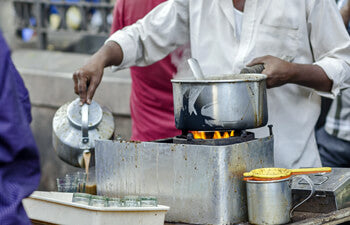
Masala Chai (simply referred to as “Chai”) has been a tradition throughout India for centuries. This spicy hot beverage is a brew of Indian black tea with a unique blend of spices, typically including cinnamon, ginger, nutmeg, cloves, cardamom and pepper, although the recipe varies region to region. Chai is consumed morning and afternoon by many Indian families, and is customarily the first thing offered to houseguests. So prevalent is the service of Chai throughout India that baristas, known as Chaiwallahs, can be found at just about every corner. These chai vendors are a staple of the community and their stands are often a source of news and gossip.
For information on other traditions or to submit your own tea tradition visit our Tea Traditions section.
Loading... Please wait...