





Organic Kukicha Green Tea

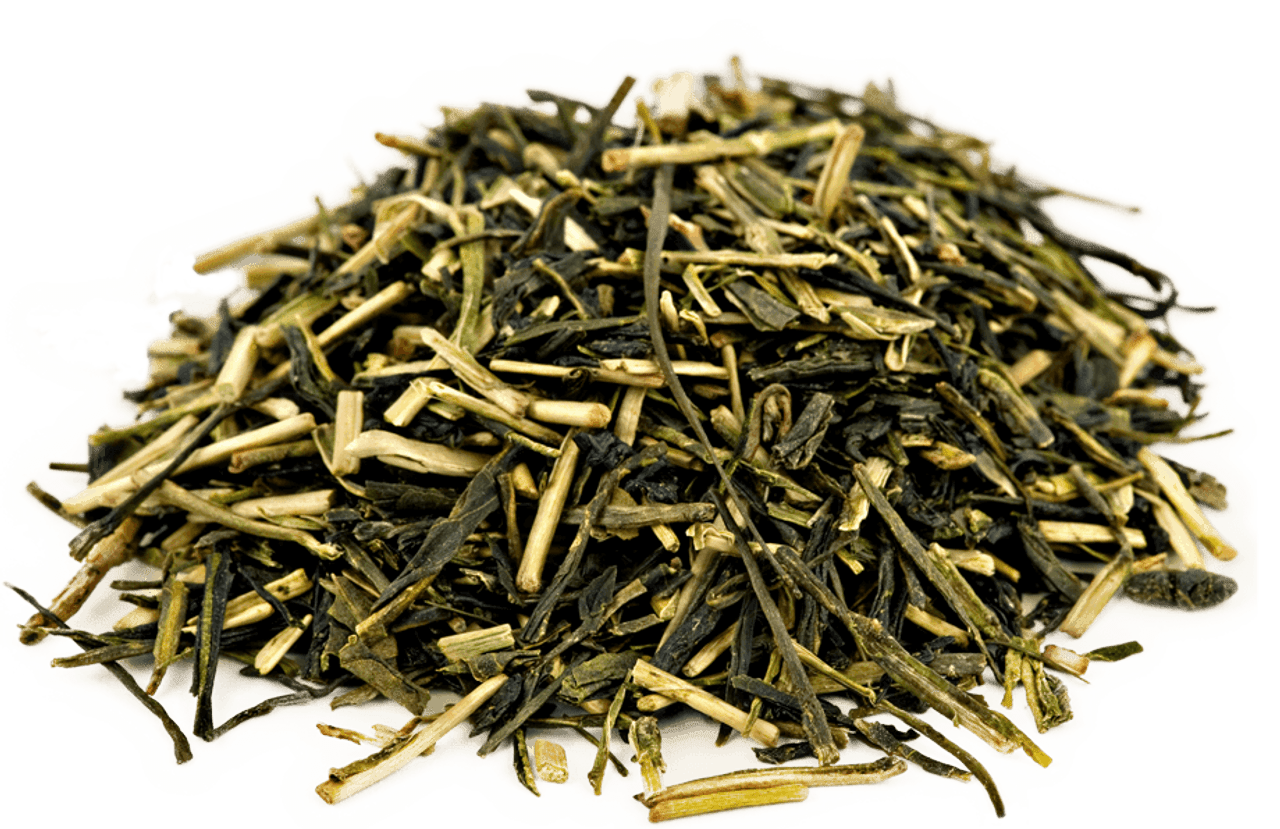
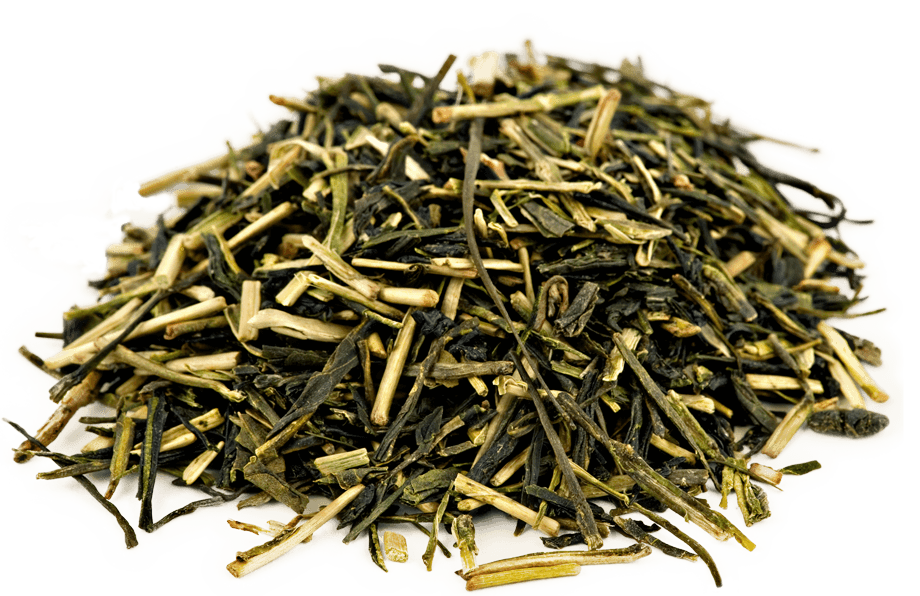
Our organic Kukicha (pronounced KU-key-cha) is a distinctive-looking organic Japanese green tea from the Kagoshima Prefecture that consists of tea leaves mixed with the young stems of the tea plant. For this reason, this organic loose leaf tea is also known as "twig tea." The resulting mixture consists of fairly uniform yellow and medium-green fragments, which yield a pale yellow-green infusion with a sweet aroma. It has an extraordinarily fresh taste with moderate bitterness and notes of cucumber skin. It is not as vegetal as most of our other organic green tea from Japan.
Please note: this Kukicha tea is not roasted. However, if you are looking for a roasted Japanese green tea check out our Organic Houjicha Green Tea. Roasted to perfection, our Houjicha has notes of toasted grain and honey.
Ingredients: organic Japanese green tea
Origin: Kagoshima Prefecture, Japan

Kagoshima is a prefecture on the island of Kyushu, in Southern Japan which boasts a chain of active and inactive volcanoes that add to the soil content. Kagoshima is the second largest producer of green tea in Japan, and tea has been growing here since the 1300s. However, much of the world never experiences organic tea from Kagoshima because green tea is so popular in Japan that most tea grown in Japan is consumed in Japan; very little is exported. Within Japan, Kagoshima is the furthest distance from the Fukushima disaster. For those concerned with the implications of the Fukushima-Daiichi disaster, we continue to have our organic teas from Japan independently tested for radiation.
Steeping Instructions

At Arbor Teas, we believe tea should be brewed to suit your personal taste. We’re happy to make recommendations to get you started, but don’t hesitate to experiment! When brewing your tea, your main considerations are tea quantity, water temperature, and steeping time. We recommend green and white teas to be steeped for 2 to 3 minutes in water heated to not-quite-boiling, just as bubbles begin to form on the bottom of the pan (approximately 170 to 180 degrees F). For the best flavor, use fresh water whenever possible. Try not to steep your tea longer than necessary, as you’ll extract undesirable bitterness from the leaves. If you want a stronger brew, don’t steep longer, just use more tea. And don’t forget to re-steep your tea leaves to get the most out of your leaf!
Looking for more info? Check out our How-To Guides and Eco-Brewing Tips!
Staff Perspectives
 Trish
Trish
"The look of the dry leaf (and twig!) is always surprising to me! "
 Jeremy
"I find this tea a nice alternative to some of our other Japanese teas like Sencha or Gyokuro when I'm not in the mood for quite as "bold" of a green tea flavor."
 Aubrey
"I love the appearance of the dry leaf. I think this tea is especially fresh tasting!"
Health Benefits
Like all true tea, green tea offers many potential health benefits. Research has found that tea (Camellia sinensis) can have many positive effects on human health, including improved cardiovascular function, cancer risk reduction, improved immune function, improved oral health, and help with weight management. Tea is also full of polyphenols, which are a class of antioxidant that help your body maintain homeostasis and balance your stress levels.
Green tea specifically is known for its array of health benefits, which have been supported by a growing number of studies. Green tea research has demonstrated that it may be an effective anticancer agent for breast cancer, lung cancer, kidney cancer and prostate cancer, among others. Studies have shown a link between green tea and weight loss, and the ability to modulate energy metabolism, aid in body fat regulation, and possibly promote preferential loss in abdominal fat. Research has also shown that green tea may increase performance for short term memory tasks, as well as being increasing potency of antibiotics. Other peer-reviewed studies link green tea to healthy skin, help with lowering cholesterol, and regulating diabetes. It’s important to keep in mind that many of these studies monitor subjects who drink several cups of green tea per day.
For more information about the health benefits of green tea, and for direct sources of the above information, check out our Tea Health Benefits page!
Please note: the information above is for educational purposes only and has not been evaluated by the Food and Drug Administration. This information is not intended to diagnose, treat, cure, or prevent any disease.