
Looking for an organic green tea? Look no further! Arbor Teas is proud to offer a large selection of loose leaf organic green tea, including a variety of flavored blends and single-origin teas (which accounts for nearly one-third of our organic loose tea catalog). We offer many options from green tea's classic origins (China and Japan) and beyond. Green teas are unoxidized and maintain the leaves' original green color throughout processing. Brew made from these leaves is often vegetative in flavor.
-

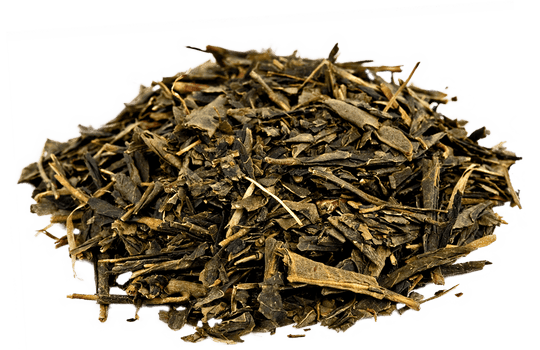 Organic Bancha Green TeaModerately savory and vegetal, offering a roasted aroma and creamy mouthfeel
 -

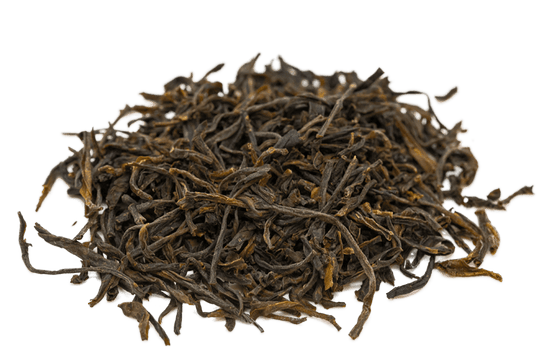 Organic Ceylon Green TeaNotes of peach, sweet grass, and a clean mineral finish
 -
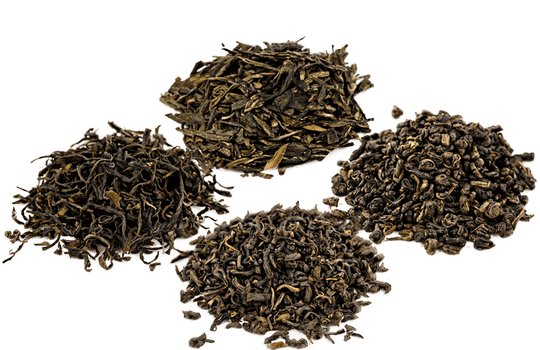 Organic Chinese Green Tea SamplerFour of our finest Chinese green teas
 -
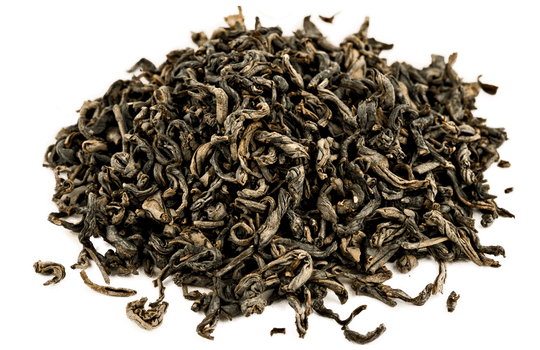 Organic Chun Mee Green TeaMedium-bodied with a slight fruity tartness likened to plums, faintly smoky
 -
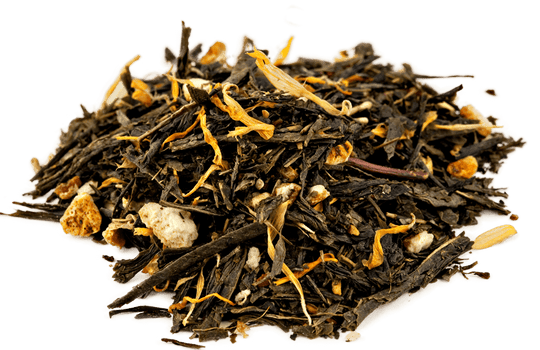 Organic Citrus Ginger Green TeaTart citrus fruits with a ginger zing complemented by the green tea base
 -

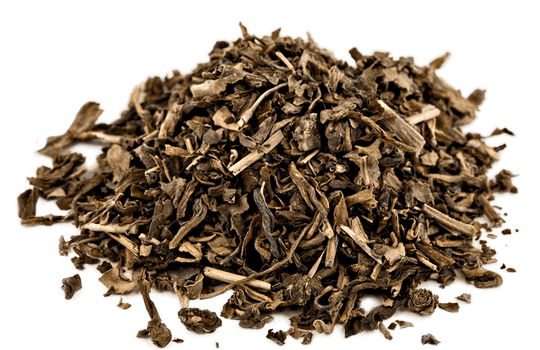 Organic Decaf Green TeaMedium-bodied decaffeinated green tea with notes of spinach, endive, and mineral
 -
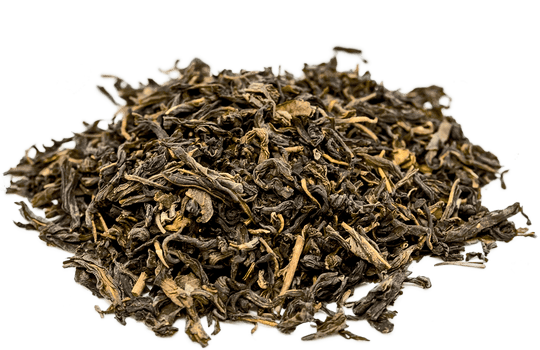 Organic Decaf Jasmine Green TeaRare Find! Premium decaf green tea scented with floral jasmine aroma
 -
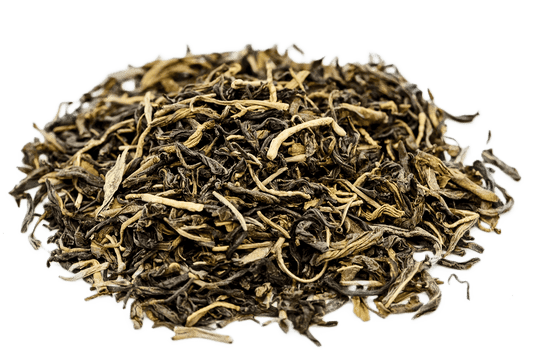 Organic Decaf Premium Green TeaLight-bodied decaffeinated green tea with a rich vegetal flavor
 -
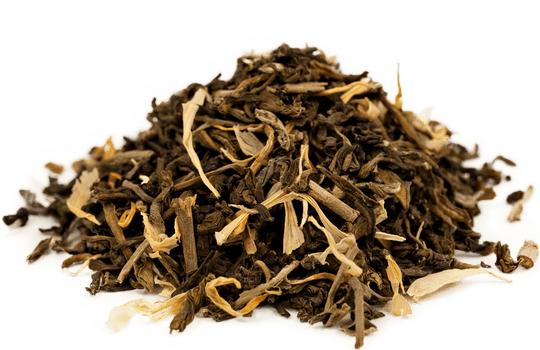 Organic Decaf Tropical Green TeaMango and papaya notes complement a light vegetal decaf green tea base
 -
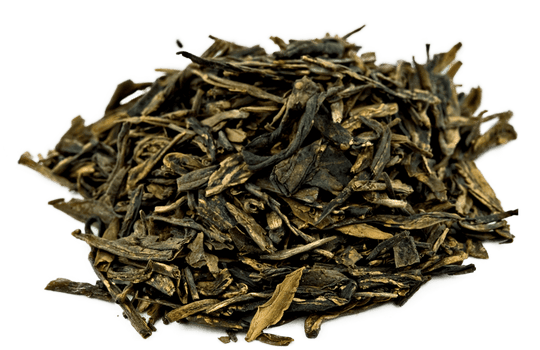 Organic Dragonwell Lung Ching Green TeaNotes of freshly cut grass and toasted chestnuts, with a light minerality
 -
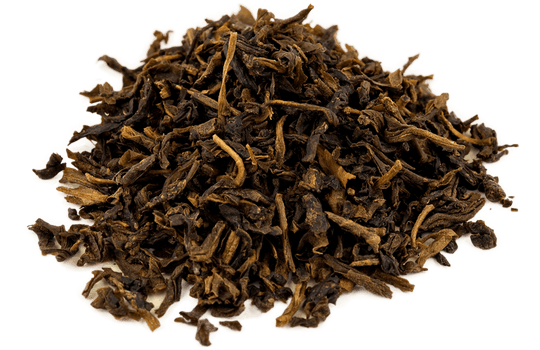 Organic Earl Grey Green TeaClassic earl grey flavor with a lighter body from a smooth green tea base
 -
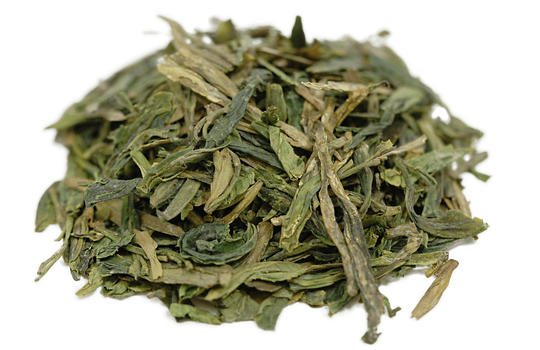 Organic Emerald Spring Lung Ching Green TeaButtery-rich and savory infusion, notes of asparagus, snow peas and chestnut
 -
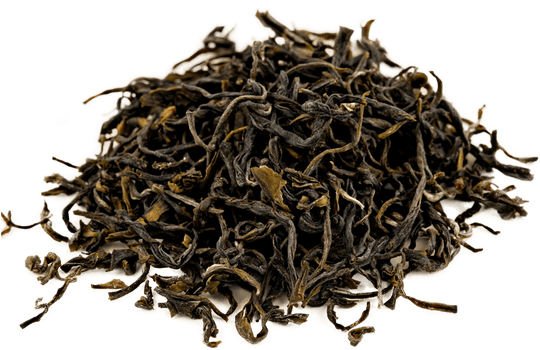 Organic Five Peaks Green Dew Green TeaLight-bodied with low astringency, slighty sweet, and a kelp-like vegetal quality
 -
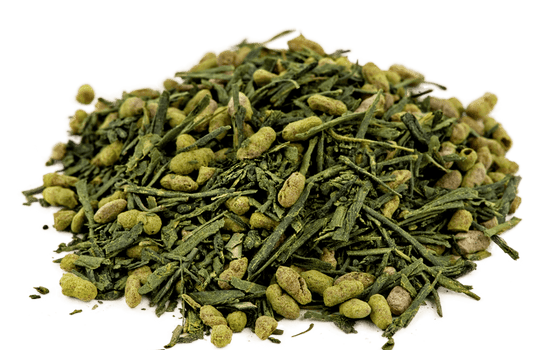 Organic Genmaicha Extra Green TeaRoasted savory genmaicha flavor, topped with matcha for a more bitter infusion
 -
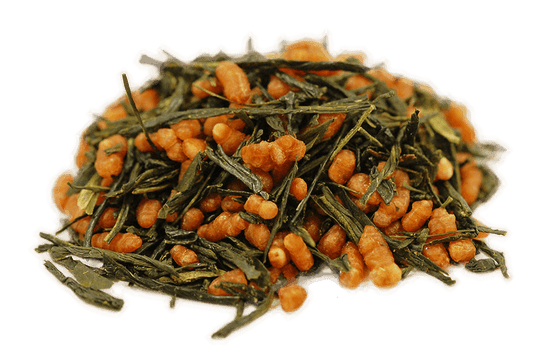 Organic Genmaicha Green TeaToasted flavor of brown rice over rich vegetalness of sencha style green tea
 -
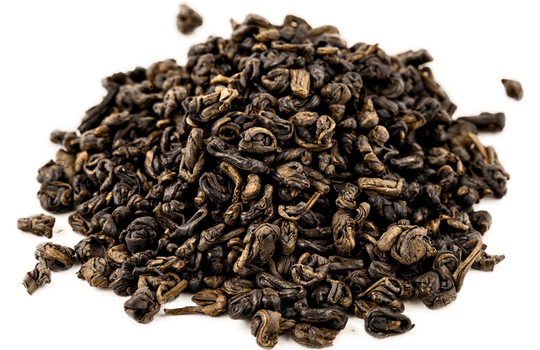 Organic Gunpowder Green TeaNutty vegetal flavor with hints of smoke with a medium body infusion
 -
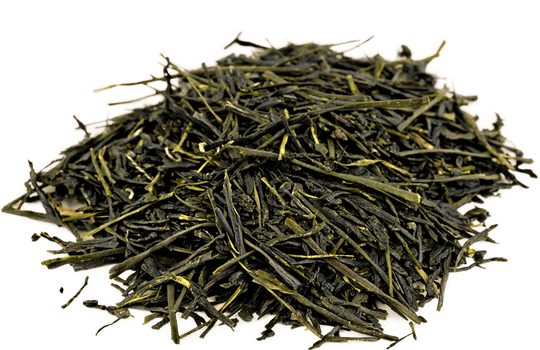 Organic Gyokuro Green TeaBold vegetal flavor with mild sweet nuttiness creates a full brothy cup
 -
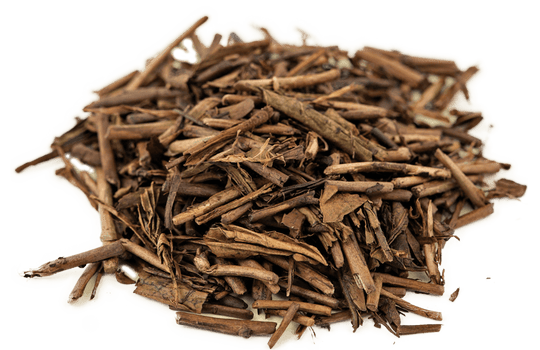 Organic Hojicha Green TeaRich flavors of toasted grain and hay with sweet honey undertones
 -
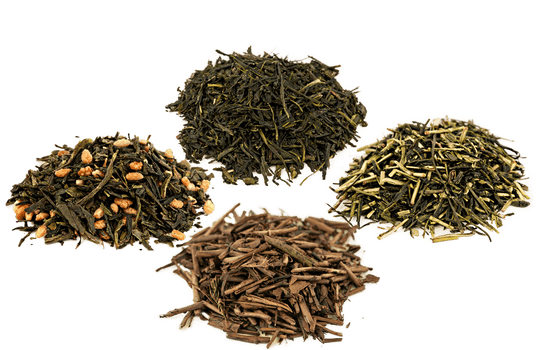 Organic Japanese Green Tea SamplerA selection of fine green teas from Japan
 -
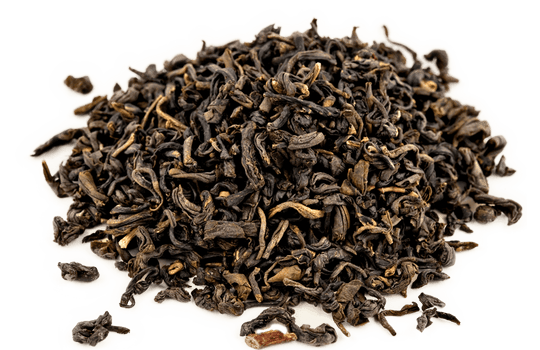 Organic Jasmine Green TeaBold and juicy jasmine aroma lingers over a fuller-bodied green tea flavor
 -
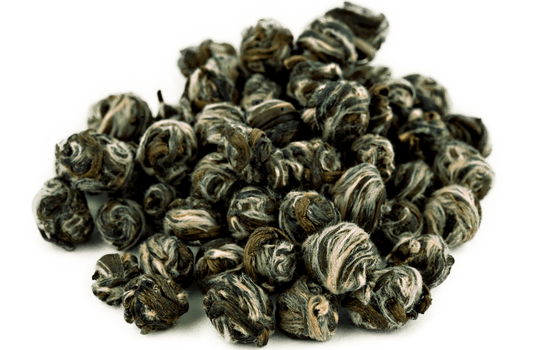 Organic Jasmine Pearl Green TeaLight-bodied and subtle green tea pairs with floral jasmine in small pearls
 -
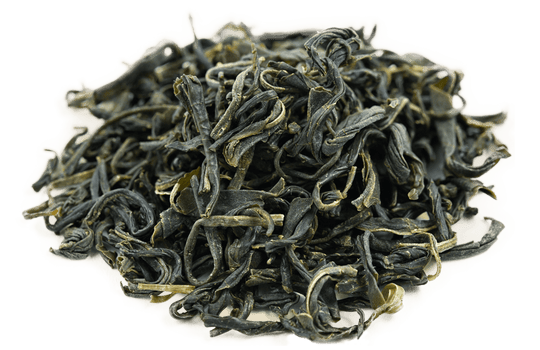 Organic Korea Sejak Green TeaBrothy and boldly vegetal with a smooth and mildly astringent taste
 -
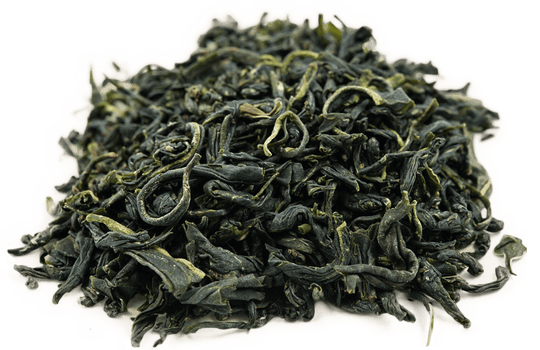 Organic Korea Woojeon Green TeaSmooth and concentrated vegetal flavor with a thicker mouthfeel than Korea Sejak
 -
 Organic Kukicha Green TeaFresh tasting and buttery, notes of cucumber skin with moderate bitterness