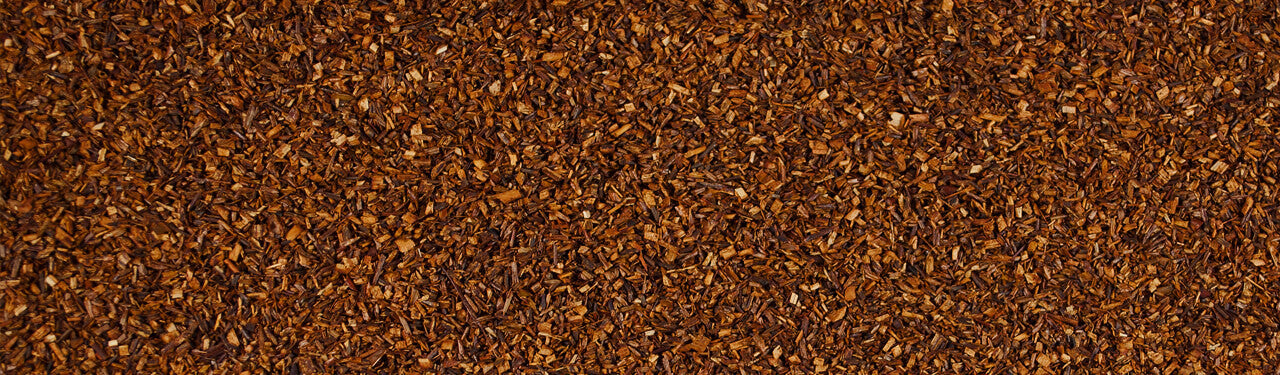
Looking for an organic rooibos? Look no further! Arbor Teas is proud to offer a large selection of flavored and plain loose leaf organic rooibos. A tisane of particular note these days, the South African herb rooibos (pronounced ROY-bus) is native to the beautiful Cederberg region. Often mistakenly referred to as tea, rooibos is an entirely different botanical species that is naturally caffeine-free. However, it is frequently blended in much the same way as many of our other organic loose leaf teas, producing such favorites as our Masala Chai Rooibos and Vanilla Almond Rooibos.
-

 Organic Crimson Berry Fruit TisaneTart hibiscus, mellow rosehips and other berries make for a rich fruit flavor
 -

 Organic Earl Grey RooibosFresh pairing of bergamot with apricot-like rooibos for a caffeine-free infusion
 -
 Organic Ginger Chili TisaneHerbaceous rosemary pairs with zesty ginger, spicy chili and woody rooibos
 -

 Organic Green RooibosUnoxidized rooibos offers a fresh and herbaceous take on traditional rooibos
 -
 Organic Masala Chai RooibosSoothing rooibos with sweet vanilla and classic chai spices
 -
 Organic Peach RooibosSubtle peach flavor combines with the slightly apricot-flavor of rooibos
 -
 Organic RooibosSilky smooth body and no astringency with notes of apricot and honey
 -
 Organic Vanilla Almond RooibosDeep vanilla and nutty almond over apricot-like rooibos with light calendula